
“Sleepmaxxing” — the trend of aggressively optimizing every aspect of sleep through supplements, tech, and elaborate routines — has become one of the biggest wellness stories of 2026, with a large share of Americans now actively trying to optimize their sleep. But not every piece of the trend carries equal scientific weight. Here’s a clear-eyed look at what’s genuinely supported versus what’s still unproven.
Well-supported: consistent sleep-wake timing. Across essentially every sleep research source, a fixed sleep and wake schedule remains one of the most consistently validated interventions — more reliably effective than most individual supplements or gadgets on the market.
Well-supported: light exposure management. Getting bright light in the morning and dimming lights in the evening helps regulate melatonin production naturally, reinforcing your body’s internal clock without any product purchase required.
Reasonably supported: specific supplements, used thoughtfully. Magnesium (particularly glycinate or threonate forms) and L-theanine have a growing body of evidence supporting modest sleep benefits — magnesium helps activate the parasympathetic nervous system, while L-theanine promotes relaxation without sedation. These aren’t magic fixes, but they have more support than many trending sleep products.
Emerging, less established: apigenin and newer botanical compounds. Compounds like apigenin (found in chamomile) are gaining popularity, with early research suggesting some calming effect, but the evidence base is considerably thinner than for more established options like magnesium.
A cultural trend worth understanding: “sleep alliances.” A notable share of couples now report sleeping in separate beds or rooms specifically to protect sleep quality — driven by partner movement, snoring, or mismatched schedules disrupting rest. Sleep researchers generally view this pragmatically: protecting actual sleep quality tends to matter more for a relationship’s daytime functioning than the symbolism of sharing a bed every night.
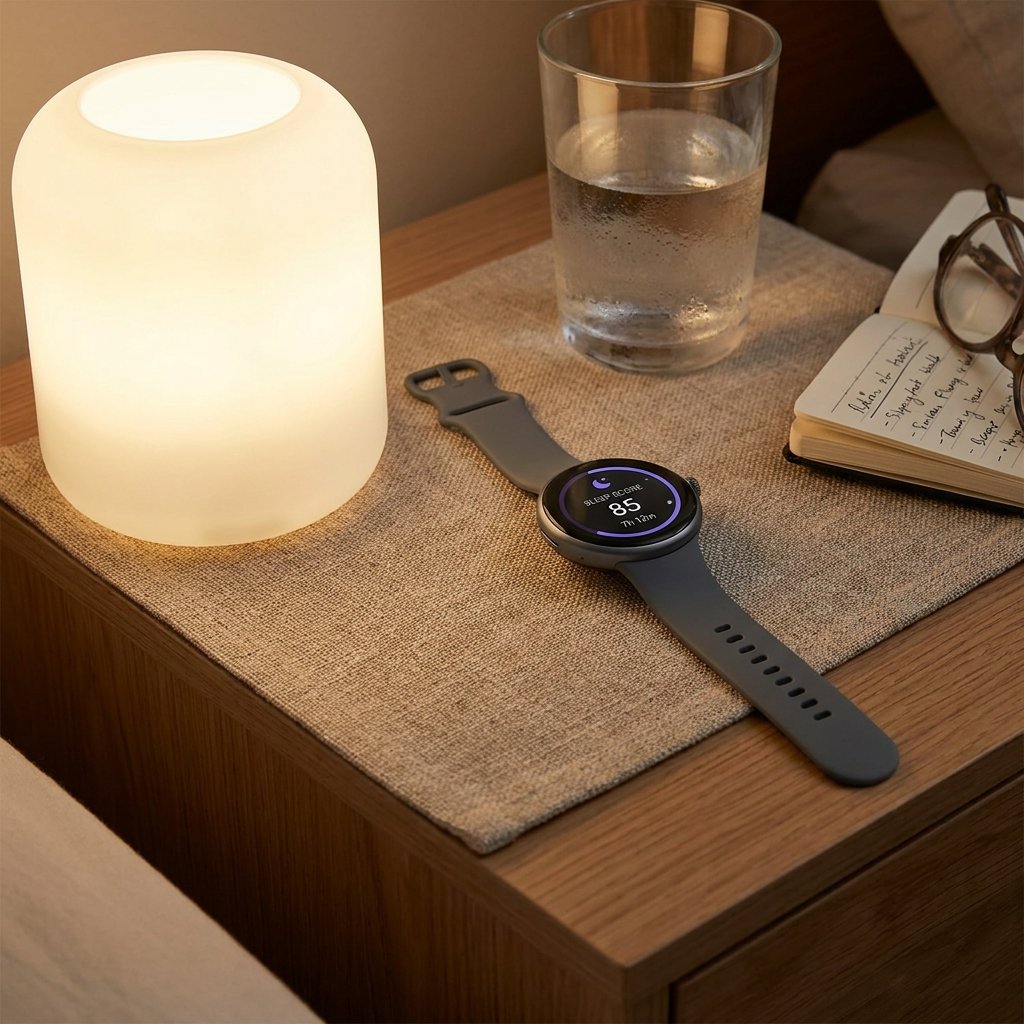
Where the trend can go too far. Sleep researchers and wellness organizations have flagged a real risk in “sleepmaxxing” culture: some people pursuing “perfect” sleep metrics become anxious about their sleep scores, which paradoxically makes sleep worse — a phenomenon sometimes called orthosomnia (obsessive concern over sleep tracking data). Using sleep data as general guidance, not a nightly performance report card, avoids this trap.
AI-powered sleep tech — genuinely useful, still just a tool. AI-driven sleep tracking now offers increasingly personalized recommendations based on your own patterns, and the sleep tech market has grown substantially as a result. It’s a helpful layer of insight — but experts are clear that even the most advanced tracker doesn’t replace the fundamentals: a consistent schedule, morning light, a cool dark room.
The bottom line on the trend: the impulse behind sleepmaxxing — genuinely valuing sleep as foundational health — is a positive shift. The specific tactics worth adopting are the well-established ones; the more elaborate and expensive additions are optional extras, not requirements for good sleep.
This article is for general information only and is not medical advice. If you’re experiencing persistent sleep problems, talk to a doctor or a sleep specialist.
