Free vs. Paid AI Wellness Apps: What You’re Actually Paying For


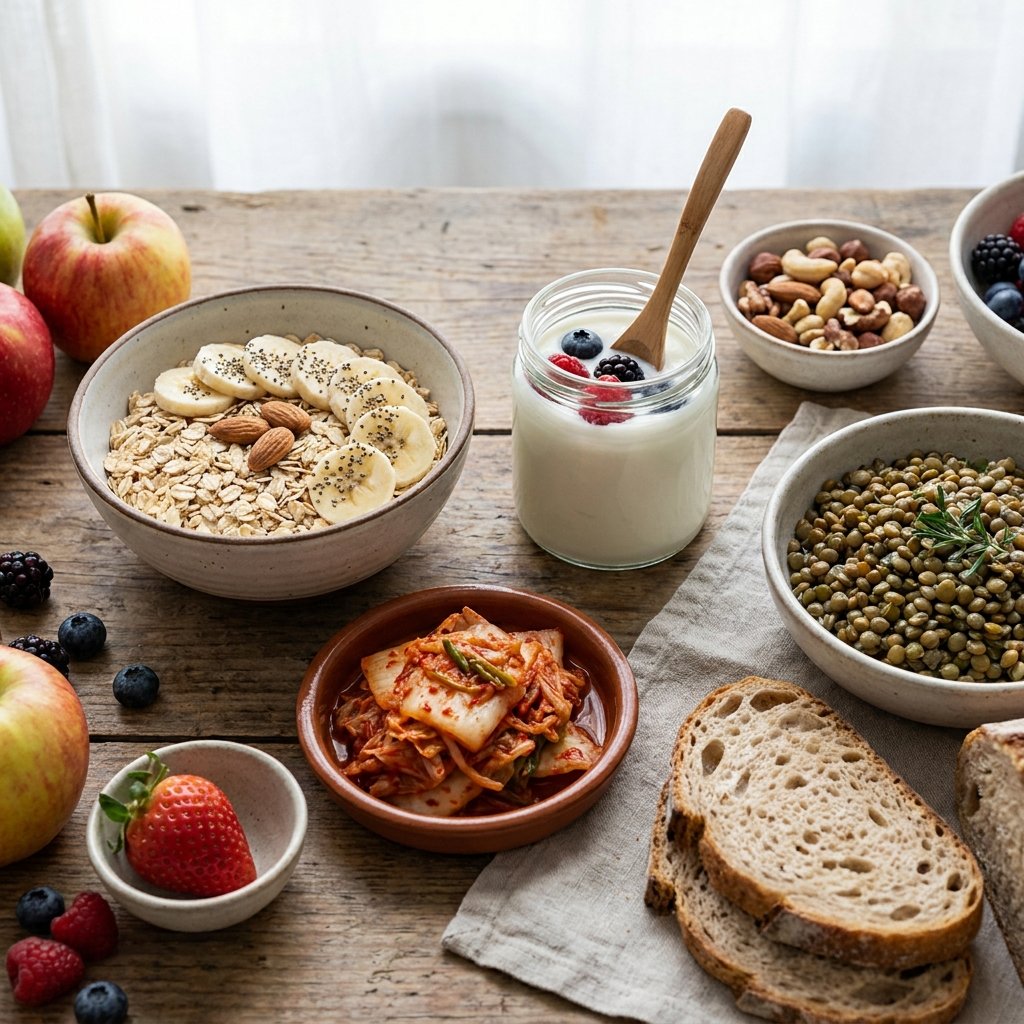
Gut health has become one of the most talked-about wellness topics of 2026, but the sheer volume of advice — 30+ plants a week, fiber targets, fermented food lists — can feel overwhelming if you’re just starting out. Here’s a genuinely beginner-friendly starting point, without needing to overhaul your entire diet overnight.
Start with fiber diversity, not fiber quantity. A common research finding (from the American Gut Project) is that people eating 30 or more different plant foods per week have significantly more diverse gut bacteria than those eating 10 or fewer — and diversity of plants matters more than any single “superfood.” Rather than trying to hit an exact gram target immediately, focus first on simply varying what plants you eat week to week.
Add fermented foods gradually. Yogurt with live cultures, kimchi, sauerkraut, miso, and tempeh all introduce beneficial live cultures or fermentation-derived compounds that support gut health. Start with small, familiar amounts — a spoonful of kimchi alongside a meal, or live-culture yogurt at breakfast — rather than trying to eat several fermented foods at once.
Lean on legumes for an easy, versatile fiber source. Lentils and beans provide fermentable fiber, resistant starch, and plant protein, and they’re easy to work into familiar meals (soups, salads, mixed into rice or pasta dishes) without requiring specialty ingredients. If you’re not used to eating much fiber, increase portions gradually and drink enough water — a sudden large increase can cause temporary bloating even from genuinely healthy foods.

Include onions and garlic where you can tolerate them. Both contain fructans, a type of carbohydrate that beneficial gut bacteria can use as fuel. One caveat worth knowing: fructans are also a common trigger for people with IBS — if these foods consistently cause discomfort, other fiber-rich plants can serve a similar role without the same issue.
Don’t skip the basics for the sake of “microbiome foods.” A first step doesn’t need to be exotic — oats, bananas, and other everyday prebiotic-rich foods (foods that feed beneficial bacteria) are genuinely useful and far more accessible than specialty products marketed specifically for gut health.
A realistic first-week approach, not a full overhaul:
- Breakfast: oats or live-culture yogurt with a piece of fruit
- Lunch: a meal that includes lentils, beans, or a bean-based soup
- Dinner: one new vegetable you don’t usually eat, plus a small serving of a fermented food if available
Why this matters beyond digestion. Research increasingly links gut health to immune function, inflammation regulation, and even mood — which is part of why “gut health” has moved from a niche topic to mainstream wellness conversation. But the underlying advice remains fairly simple: more plant variety, regular fiber, and some fermented foods, built gradually rather than all at once.
This article is for general information only and is not medical advice. If you have digestive symptoms or a diagnosed condition like IBS, consult a doctor or registered dietitian before making significant dietary changes.