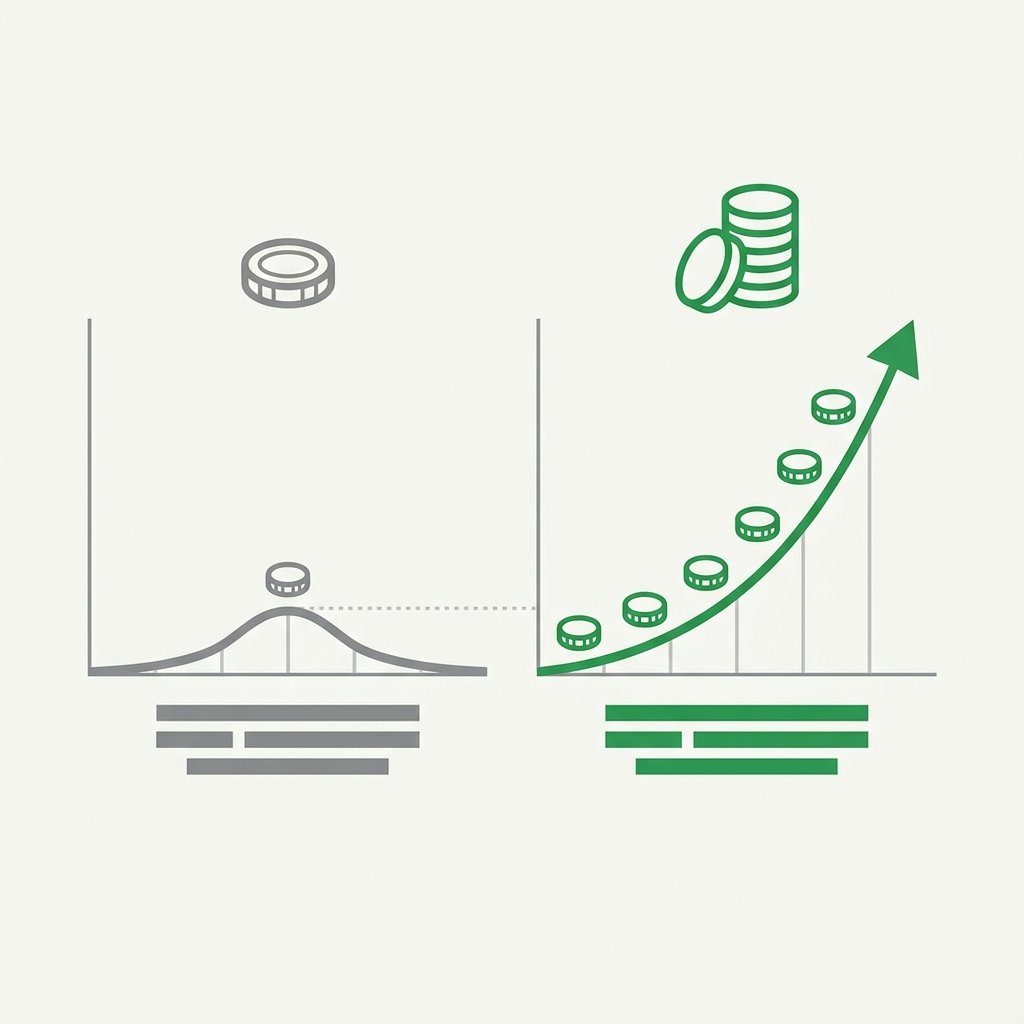
A fixed travel budget stretches dramatically differently depending on where you go. Here’s a realistic look at what roughly $1,000 (excluding international flights, focused on a week of on-the-ground costs: accommodation, food, local transport, and activities) can realistically cover across several 2026 budget destinations.
Siem Reap, Cambodia — comfortably covers a full week, with room to spare. With guesthouse accommodation, inexpensive local food, and low-cost temple entry fees, $1,000 typically covers a full week here with meaningful room left over for activities or a nicer accommodation upgrade — one of the strongest value destinations available in 2026.
Sarajevo, Bosnia and Herzegovina — excellent value, especially for budget flights from Europe. With affordable rooms, inexpensive local food (a few dollars for a traditional burek), and remarkably cheap regional flights from many European cities, $1,000 goes a long way here, particularly for European-based travelers.

Budapest, Hungary — solid value with room for splurges. Between low-cost dorm or guesthouse stays, cheap local beer and food, and inexpensive thermal bath entry, $1,000 covers a comfortable week with enough left over for one or two higher-cost activities or a nicer dinner out.
Athens, Greece — moderate value, still very achievable. Slightly higher baseline costs than Southeast Asian or Balkan destinations, but $1,000 still comfortably covers a week of hostel accommodation, budget local meals, and major historical site entry fees, with some room for extra activities.
Bacalar, Mexico — strong value, especially for beach-focused travel. Dorm and budget guesthouse accommodation combined with very inexpensive street food means $1,000 covers a comfortable week here, including some room for activities like kayaking or paddleboarding that are often included free with accommodation.
What actually drives the biggest cost differences between destinations: accommodation and food costs vary the most dramatically between budget destinations — a $10 dorm bed versus a $30+ equivalent, or $1 street food versus $15+ restaurant meals, compounds significantly over a week-long trip. Transport and activity costs matter less to overall budget than these two daily, recurring categories.
A practical way to stretch $1,000 further, regardless of destination:
- Choose accommodation with a kitchen or kitchenette to cut food costs by cooking some meals yourself
- Prioritize free or low-cost activities (walking neighborhoods, free viewpoints, public beaches) over paid tours where possible
- Travel during shoulder season rather than peak season — accommodation rates in particular often drop meaningfully outside a destination’s busiest months
- Use local, unreserved or second-class transport options where available and comfortable — the savings versus first-class or private transport options are often substantial
The bigger point: a fixed budget like $1,000 isn’t a hard limit on where you can travel — it’s a number that stretches dramatically depending on destination choice, meaning the “best” budget destination for you depends as much on matching your budget to the right place as it does on cutting costs within any single destination.